
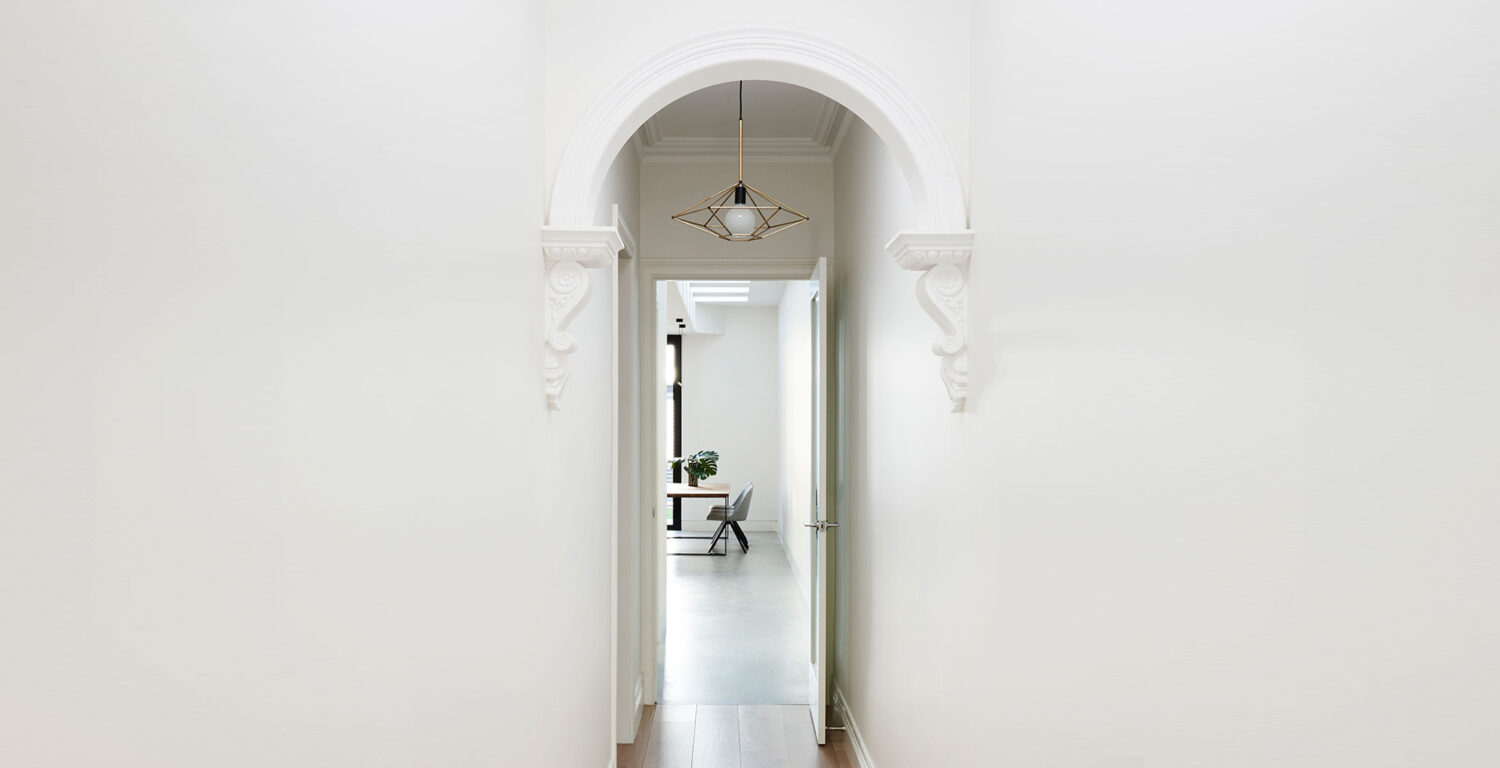
Building Your Heritage Project

Celebrating the Charm and Challenges of Heritage Homes

You know the saying:

“They don’t build them like they used to!”

This is true, but to be honest, I’m not mad about it.

I love the many and varied old houses that make up our streetscapes.  We have had the privilege of working with clients around Melbourne and rural Victoria on homes from many different decades.  These homes often have beautiful proportions and a depth of texture and detail that comes through years of life and occupation.  Every project is a chance to preserve a part of this history and breathe new life into a building, re-imagining it as the perfect home for a new family.

Updated Building Standards

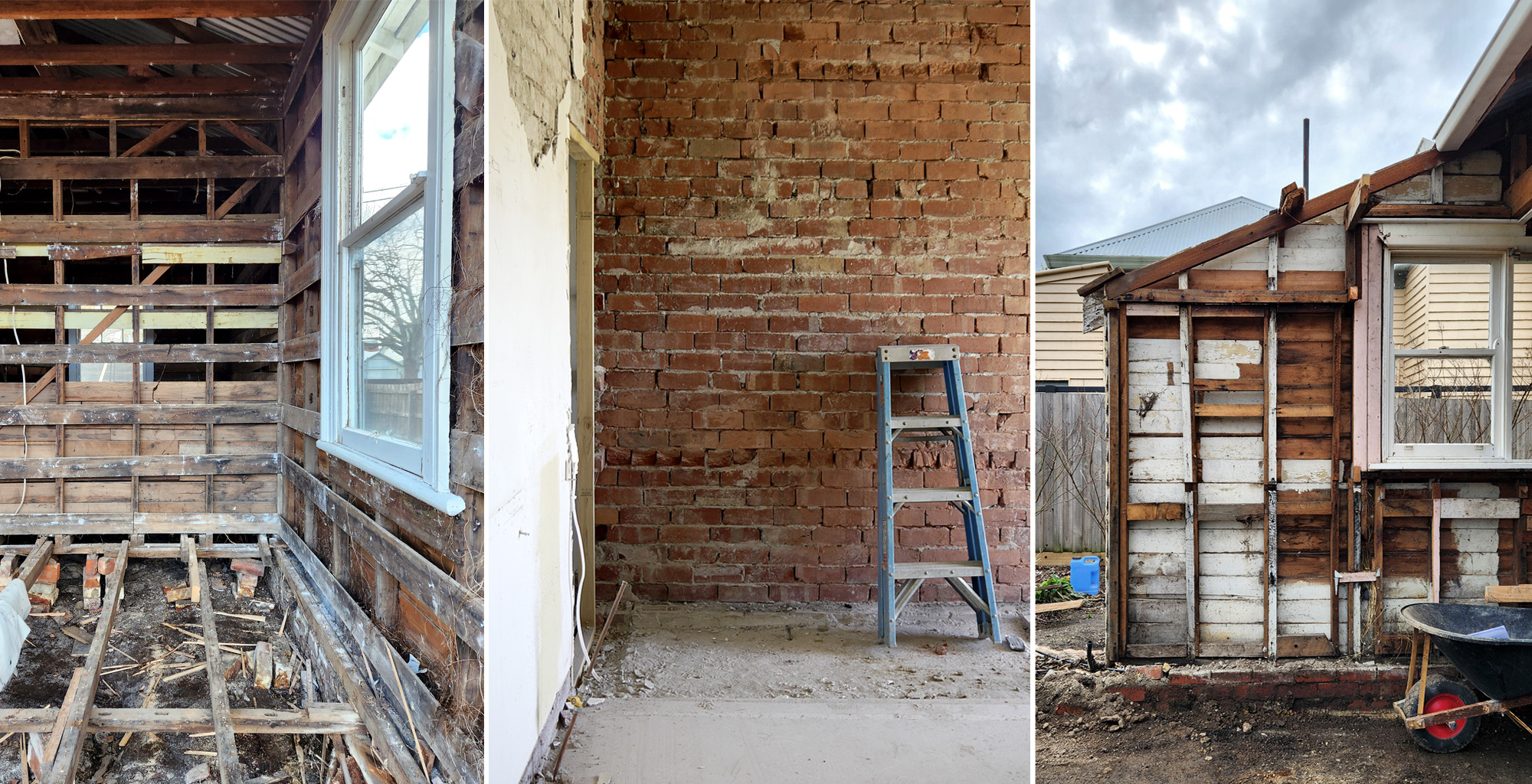
Renovating and building your heritage home is an incredibly rewarding experience, but it’s important to understand the challenges that come with it.  One hurdle that is often overlooked is the hidden condition of existing buildings.

Did you know that the first centrally controlled Victorian building regulations were only established in 1940, and a nationally consistent building code was not released until 1988!?

Along with periods of labour shortages and limited material supply, it is no wonder that once we start to work on old building, we often find some rather questionable construction techniques.
Heritage project building challenges

Navigating the Unknown: Uncovering the True Condition

This is where working with a designer or Architect with experienced in heritage projects becomes invaluable.

We make it a priority to identify as many potential construction issues as possible before work begins on-site.  During our initial investigations, we look for signs of what needs repair or upgrade.  Cracks in the wall or ceiling, uneven floors, old wiring or plumbing and rotten timber elements are common indicators of building elements that require attention.

Preparing for Surprises: Planning with Care

Even with thorough investigation there will almost certainly be some surprises that are only revealed after construction.    Throughout our design process we discuss a budget contingency and any areas of unknown scope with clients to cover unexpected site conditions.

Often these elements are uncovered in the early stages of a project. If you are starting without this in mind, uncovering unwelcome, unknown conditions can be a disheartening way to start.  It may feel like changes and extra costs are coming thick and fast as the demolition stage reveals the true condition of the building.
challenges overcome in Heritage Project

Expertise That Guides You Through

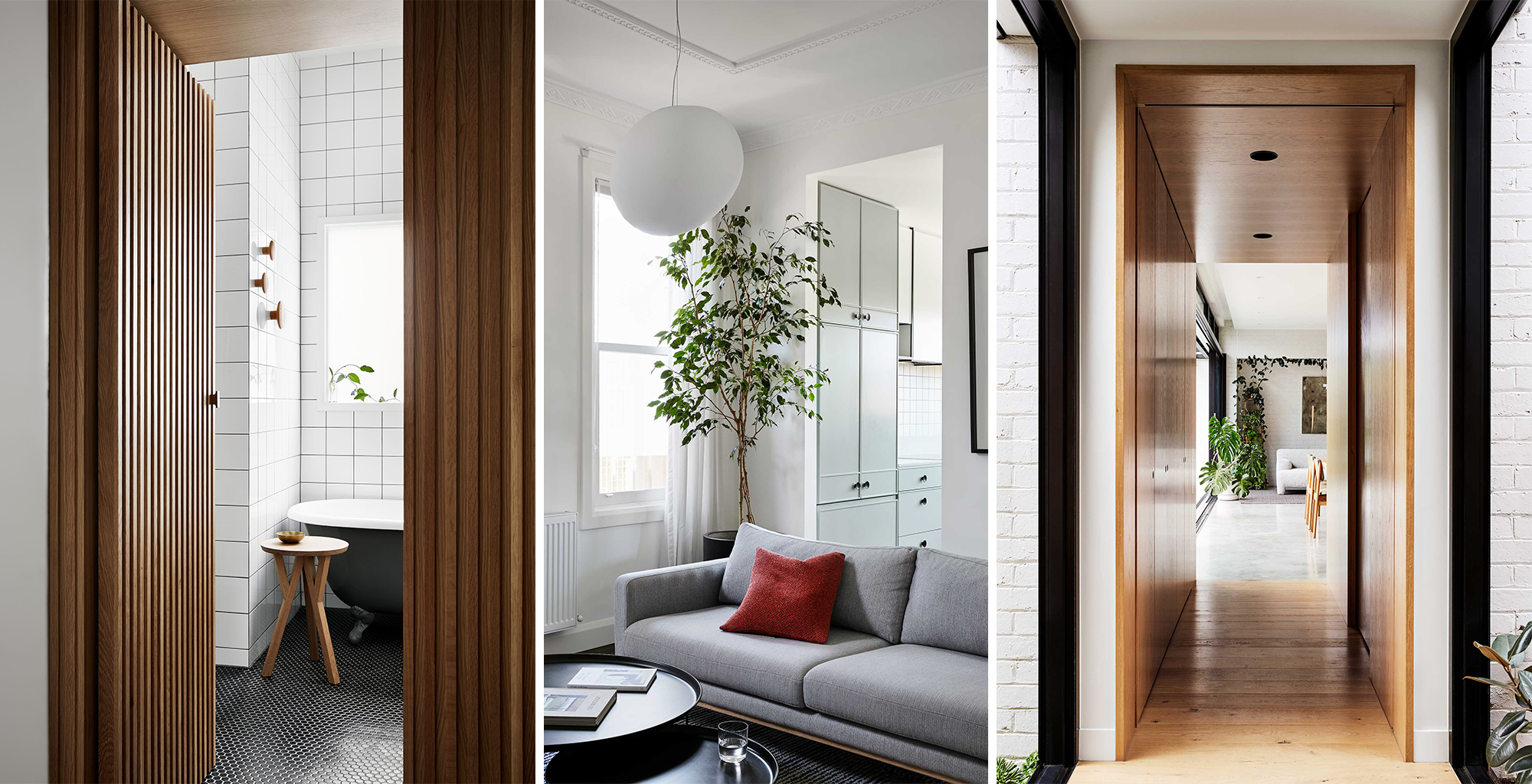
If you feel like this all sounds overwhelming and alarming, remember that this early work is not indicative of the full construction process.  Having the knowledge and experience to navigate heritage restrictions, building codes and design best practices ensures that we will provide you with the best solutions and advice to resolve any complications.

With a respect for both tradition and innovation, the renovation and extension of a heritage home in Melbourne can create a space that beautifully blends historical charm with contemporary living. It’s a process that requires care, patience, and expertise, but the end result is a home that carries its past into the future with grace and style.

If you would like to know more about the planning process of working with a heritage home, you might like this article.

If you are interested in renovating and building your heritage home, we would love to hear from you.
Planning For Your Heritage Project

Renovating a heritage home is an amazing opportunity to bring an old building back to life, turning it into a wonderful new home.

These houses are rich in character, providing a stunning starting point for renovation. However, the same heritage details that make them so special can also present unique challenges.  Planning for your heritage project does come with its own set of considerations and planning requirements.

Know what you are working with:

There are a wide range of heritage styles across Victoria each one, an important part of our built history.

In Victoria, Victorian Planning Zones and Overlays govern how land and buildings are used and developed.  These provide protection and guidance to ensure that the unique features, history, and natural environment of specific areas are respected.

The Heritage Overlay is designed to protect buildings and places that hold historical, cultural, or architectural significance. If your property falls under a Heritage Overlay, any proposed changes will need to respect the historical integrity of the building.  The overlay and any specific heritage schedules will guide how your design balances the preservation of original features with modern design interventions.

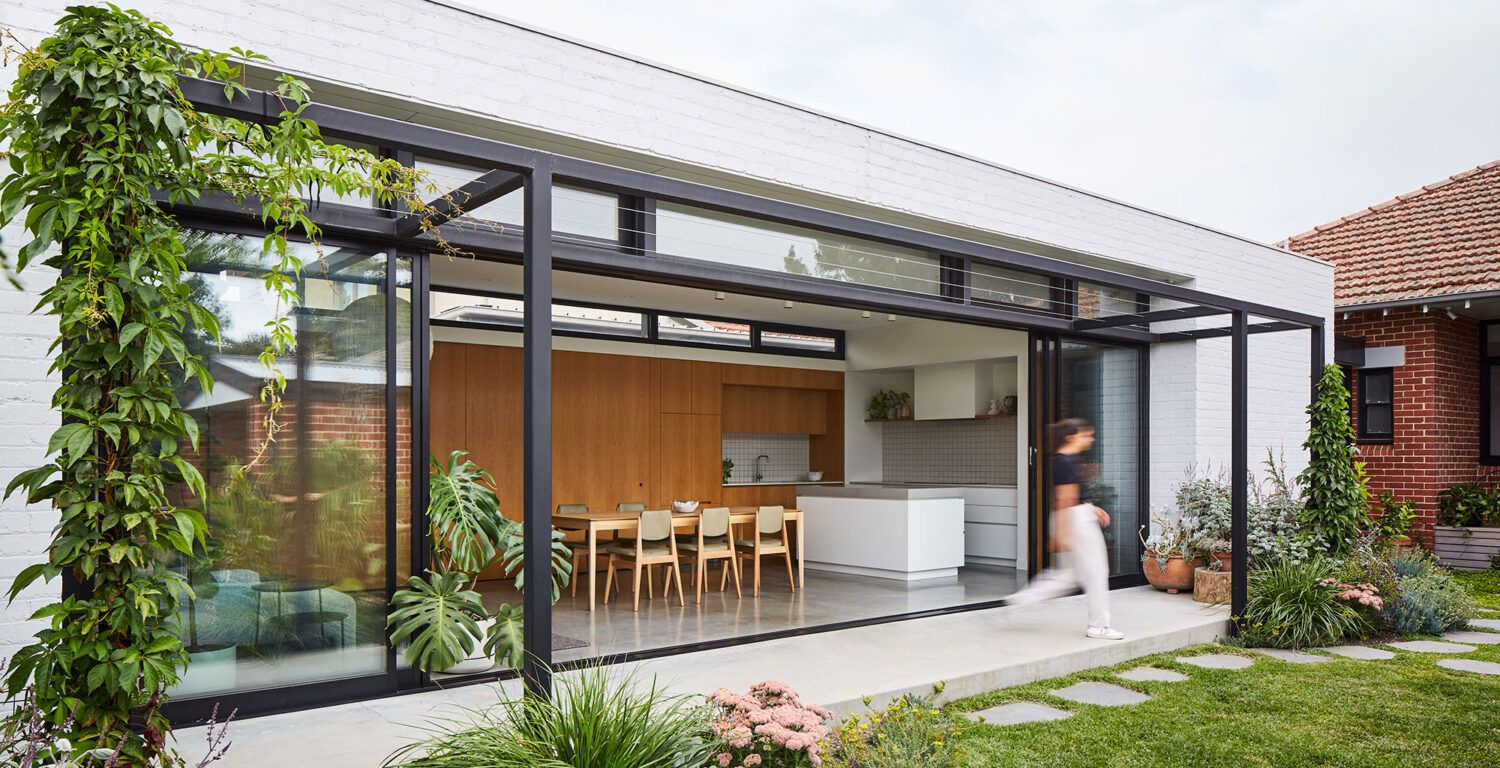
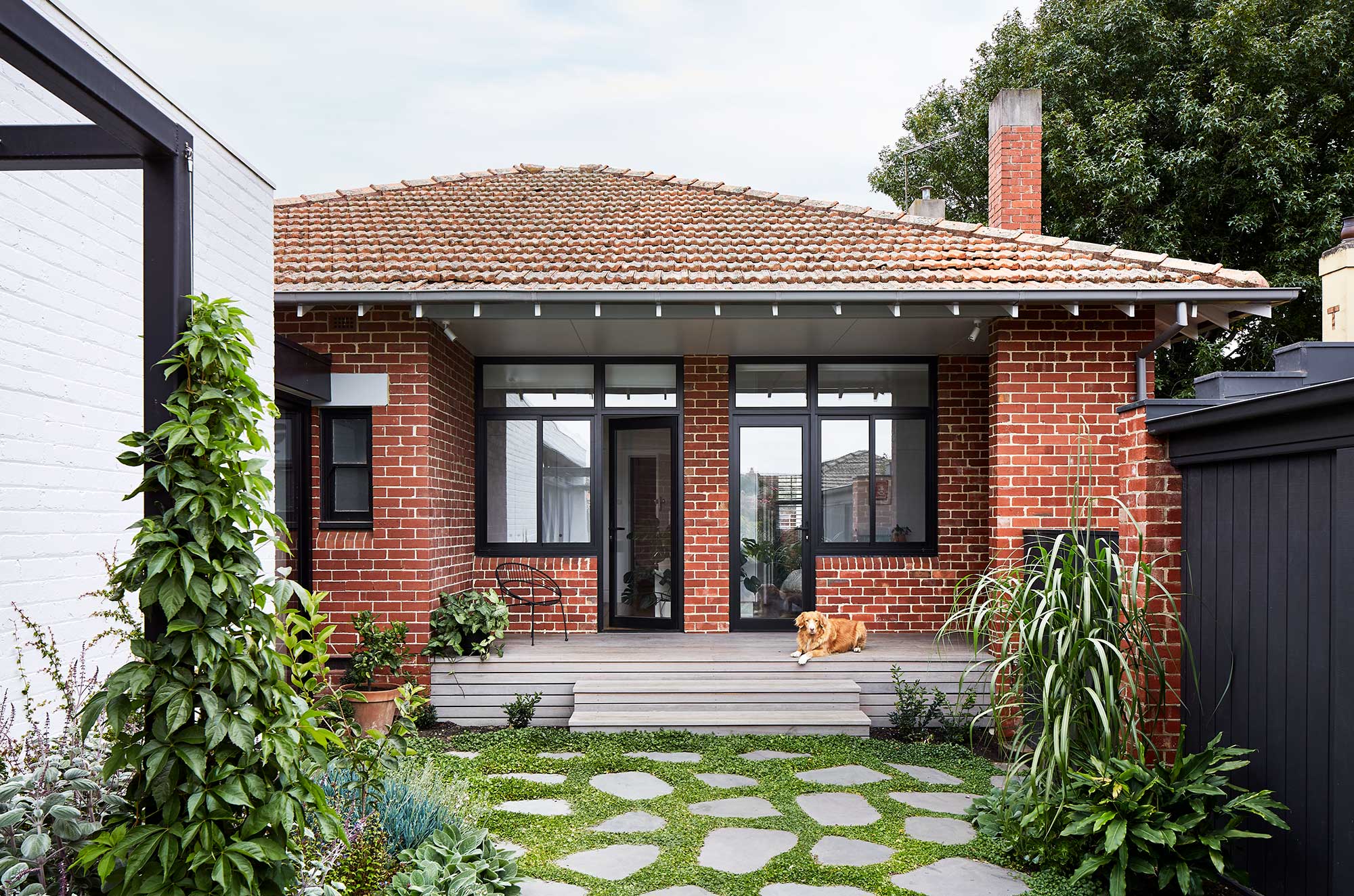
Maike Design renovated Californian Bungalow and extension with beautiful garden

The impact on your design process:

An architect or designer who is experience in heritage projects will start your project with an understanding of the restrictions in place by the Heritage Overlay.  This will ensure that from the outset your project works to a realistic and respectful design scheme.

Heritage renovations require additional time allocated to the planning application and approval process.  This will require a comprehensive response to the planning restrictions.  Your application will need to clearly demonstrate how the renovation will respect the home’s original features.  In some cases, after the application has been lodged, the council may request changes to your plans to ensure compliance with heritage requirements.

To help ease the process, consider arranging a pre-application meeting with a planning officer.  This allows you to receive feedback and identify potential issues with the application prior to submission.

Working within heritage guidelines:

Heritage projects will include an element of preservation and restoration.  Features such as ornate plasterwork, period fireplaces, windows, or rooflines may need to be preserved or restored authentically.  These often require specific materials and specialised contractors to match the original construction as closely as possible.

Identifying heritage elements that are to be retained early in the process, allows them to be thoughtfully incorporated into the design.  Incorporating modern amenities, construction standards and updating building performance without compromising the historic character of a building, is a challenge we greatly enjoy.  This process, though detailed, gives a new life to a home with history and character.

Where to start:

At Maike Design, we love creating comfortable, functional and beautiful new homes from a heritage foundation.  With a deep appreciation for architectural history and a thoughtful approach to your individual goals, we understand the unique challenges and opportunities that come with renovating a heritage home.  We work closely with all our clients to ensure that they can confidently work through the design and approval process.

If you would like to chat about planning your heritage project, we would love to hear from you.